Web Strategy & Conversion
Published
Jun 19, 2025
3
-
min read
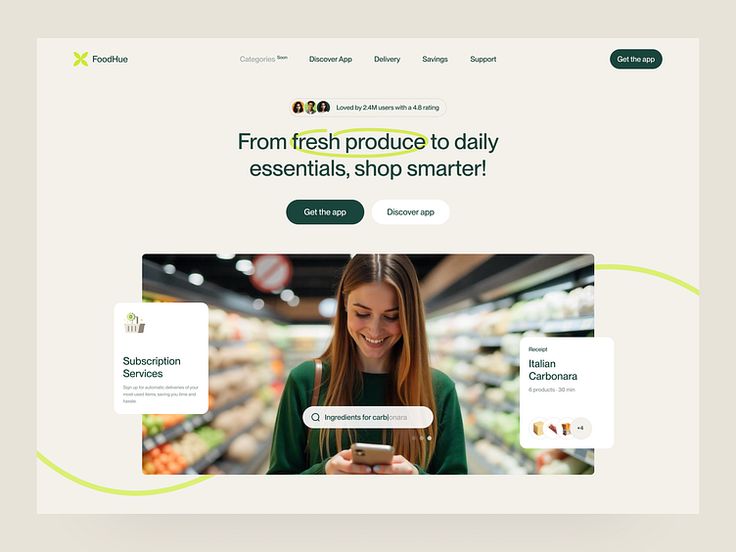
Why Most Websites Fail at Converting Traffic
In 2025, driving traffic to your website isn’t enough. The real challenge? Converting that traffic into actual leads or sales. Yet, the vast majority of websites still fall short — and the data proves it.
The Harsh Truth: Most Websites Don’t Convert
It’s estimated that 90% of websites get zero organic traffic due to poor SEO. This means that even before conversion comes into play, most sites are completely invisible to their potential customers. But visibility alone isn’t the endgame — once users land on your site, every second counts.
A staggering 53% of users will leave if a website takes longer than three seconds to load. And with short attention spans and mobile-first browsing, design decisions must be laser-focused on keeping users engaged — fast.
3 Core Reasons Websites Fail to Convert
1. Poor User Experience (UX) and Slow Load Times
If your site loads slowly, it won’t even get a chance to convert. Google now considers site speed a ranking factor, and users have even less patience. Whether it’s heavy images, unoptimized code, or third-party scripts, load times directly kill conversion rates.
Stat to know:
53% of users leave if a site takes longer than 3 seconds to load.
2. Lack of Clear Calls to Action (CTAs)
Once a user lands on your homepage, do they know what to do next?
70% of small business websites lack clear CTAs, leaving visitors confused or disinterested. Whether it’s “Book a Free Call,” “Add to Cart,” or “Get a Quote,” your CTA should be impossible to miss — and feel like the natural next step.
Stat to know:
70% of small business websites lack clear CTAs, killing potential conversions.
3. Ignoring “Above the Fold” Design Principles
Users decide within seconds if they want to scroll — or bounce. That means your most important messaging, value proposition, and call to action must be placed above the fold — the part of the screen users see without scrolling.
57% of viewing time is spent above the fold.
80% of user attention is focused there.
Scrolling is not guaranteed — design like it’s not happening.
Stat to know:
Only 20% of attention goes below the fold — make your first impression count.
So, What Does a High-Converting Website Need?
Here’s what separates websites that convert from those that don’t:
Fast load times (under 3 seconds)
Mobile-first, responsive design
Crystal-clear CTAs on every key page
Visual hierarchy that guides users naturally
Above-the-fold value messaging
SEO-friendly structure to ensure discoverability
The Bottom Line
If your website isn’t converting traffic, chances are it’s not a traffic problem — it’s a strategy problem. Whether it’s speed, structure, or simply a lack of direction, most websites today are designed to look good, not perform.
But smart design — backed by data, UX psychology, and CRO principles — can transform your site into a sales engine.
Need a Website That Converts?
At Vandium, we don’t just design pretty websites — we build sites engineered to convert. From speed to SEO to strategy, we help you turn visitors into buyers.
Book a free strategy call and see how your site stacks up.
Follow Us

